
- Home
- AUTHOR INTERVIEWS- CHECK THEM OUT
- In Conversation With Joseph P. O'Donnell Author of Run For My Life, as told to him by Daniel Kolmann
In Conversation With Joseph P. O'Donnell Author of Run For My Life, as told to him by Daniel Kolmann
- By Norm Goldman
- Published June 13, 2023
- AUTHOR INTERVIEWS- CHECK THEM OUT

 Norm Goldman
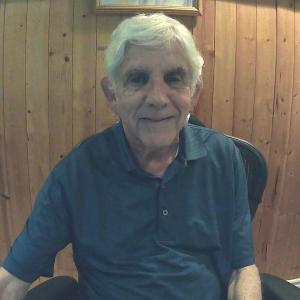
Reviewer & Author Interviewer, Norm Goldman. Norm is the Publisher & Editor of Bookpleasures.com.
He has been reviewing books for the past twenty years after retiring from the legal profession.
To read more about Norm Follow Here


Bookpleasures.com welcomes as our guest Joseph P. O'Donnell, author of the Gallagher Trilogy of Mystery Thrillers: Fatal Gamble, Deadly Codes, Pulse of My heart, Living on the Fringe of the Mob, as told by E. Steven Sachs,and his most recent work, Run For My Life, as told to him by Daniel Kolmann.
Good day Joseph and thanks once again for taking part in our interview.
Norm: What inspired you to write a book about the experiences of a sixteen-year-old boy escaping a Communist country? As a follow up, how did you come to meet the subject of the book?

Joseph: Most of my early writing has been in the genre of mystery fiction. My only experience in writing a memoir occurred when I wrote Living on the Fringe of the Mob, the true story about a man who was connected to the New York Mafia for his entire life.
I knew Daniel Kolmann casually as a fellow member of our Club here in Florida.
He approached me one day and asked if I was interested in writing another memoir.
At first, I declined. But after hearing the details of his early life in Communist-occupied Czechoslovakia during the Post-World War II era, I was hooked.
I interviewed him over the course of one year to gather the information I needed to complete his memoir.
Norm: What challenges did you face in capturing the authentic voice and perspective of the sixteen-year-old protagonist?
Daniel is now in his 70s, so I had to go back repeatedly to past events and jog his memory for precise details of his life in the sports camp and the days leading up to his escape.
For example, after I sketched out a rough draft of the chapter that takes place in the Greek restaurant on the night of his escape, I met with him and asked pointed questions that would be important to the reader:
What did the guards eat? What did they drink? How many rounds did they drink? Single or double vodka?
These elements were essential to place the reader in the restaurant with him and capture the essence of the atmosphere and tension of the moments before his escape.
Norm: Did you conduct any additional research beyond the firsthand account provided by the Daniel? If so, what sources did you consult?
Joseph: Yes, I referred to several textbooks and newspaper accounts related to the Nazi occupation of Czechoslovakia and the subsequent Post-World War II era of Russian occupation.
Norm: What aspects of Daniel's experience resonated with you the most and why?
Joseph: Daniel’s story is riveting in many aspects since, as a young boy, he had to overcome blatant antisemitism, the trauma of being taken from his family and placed in a Russian-controlled Sports Camp, and ultimately mustering the courage and skill to plan and complete a daring escape from two armed guards.
The story by itself is quite remarkable. However, the gripping back story of this book is that of his incomparable mother, Netty.
She endured unfathomable losses at the hands of two brutally repressive regimes. Yet, she persevered and overcame all obstacles placed in her way, eventually gaining freedom in the United States.
Her story is truly inspirational.
Norm: How did you approach the crafting of an interesting story, considering the chronological events of Daniel's escape?
Joseph: Throughout writing this book, I focused on capturing his emotions and the “pacing” of events leading up to and during his actual escape.
I tried to help the reader get into Daniel’s mind to imagine what he was thinking in the restaurant during the minutes before he climbed out of the bathroom window.
Then, while he was running, I used brief sentences and single-lined paragraphs to keep the pages turning, heighten the tension and, hopefully, bring the reader to the edge of their seat.
Norm: Did Daniel have any input or feedback during the writing process? How did his involvement contribute to the final product?
Joseph: Yes, Daniel read every draft I produced along the way. His comments were very helpful, and each draft seemed to help him recall other details that became important in creating the visual imagery of each scene.
Working with him was very enjoyable and we are both satisfied with the result.
Norm: What message or themes do you hope readers will take away from the book, particularly in relation to Daniel's journey and his escape from a Communist country?
Joseph: The most important message of this book—particularly for young people—is that freedom is precious and that it should never be taken for granted. In Daniel’s case, he risked everything—including his life—in order to get freedom.
Norm: Can you tell us about any memorable or surprising moments you experienced during the writing and publishing this book?
Joseph: For me, the most memorable moments have been hearing and reading the responses from readers who state that the book has struck an emotional and inspirational chord with them.
Thanks once again and good luck with all of your future endeavors