
- Home
- Biographies & Memoirs
- RUN FOR MY LIFE Reviewed by Norm Goldman of Bookpleasures.com
RUN FOR MY LIFE Reviewed by Norm Goldman of Bookpleasures.com
- By Norm Goldman
- Published June 13, 2023
- Biographies & Memoirs

 Norm Goldman
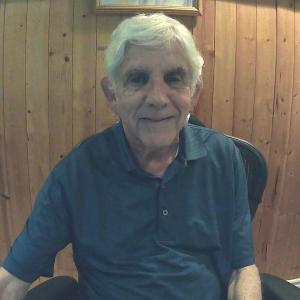
Reviewer & Author Interviewer, Norm Goldman. Norm is the Publisher & Editor of Bookpleasures.com.
He has been reviewing books for the past twenty years after retiring from the legal profession.
To read more about Norm Follow Here


Author: Joseph P.O'Donnell as told by Daniel Kolmann
Publisher: Outskirts Press
ISBN: 978-1-9772-6008-6
With a political climate of tension and growing antisemitism in the background, the narrative delves into the themes of perseverance, unyielding resolve, and the unrelenting quest for independence.
Drawing from a remarkable first hand account, Daniel Kolmann shares his adventure with O'Donnell. As a side note, the narrative adopts a pseudonym because Daniel's family has requested anonymity, worried about possible antisemitic repercussions that could affect other family members.
The tale begins with a glimpse into the challenging circumstances in Czechoslovakia following the German occupation during World War Two and the subsequent imposition of Communist rule.
Daniel, a young Jewish boy, shares the painful tragedy of his mother, Erna "Netty" Kolmann. She endured the heart-wrenching loss of her two other sons and her first husband, who were tragically captured by the Gestapo. Amid this sorrow, Daniel's birth emerged as a miraculous gift.
We discover that Daniel's father, Josef Kolmann, who was married to Ema, had been rounded up and shipped to the Terezin concentration camp during the war. Amazingly, he escaped.
Realizing the looming
peril of the Russian occupation of Czechoslovakia as World War II
drew to a close, Erna's two brothers, Daniel's uncles, took his
half-sister Ana to Israel shortly after Daniel was born.
They did so to protect her from the harsh single-party rule of the Communist Party. This totalitarian regime had gained control with full Russian government support.
During Daniel's middle
school years, his zeal for sports, notably running, unfolded.
One fateful day, two members of the Slovakian Sports Authority, escorted by two individuals from the KGB, approached Daniel and his mother.
They conveyed that Daniel
had been chosen for soccer training at a specialized sports camp. He
would have to live in a dormitory with fellow athletes, and his
mother could only visit him once a week.
Filled with desperation to keep her son by her side, Daniel's mother pleaded vigorously with the men, hoping they would reconsider taking him away. Sadly, her pleas fell on deaf ears as she was informed that she no longer possessed any ownership or control over her son.
Reluctantly, Daniel was whisked away to the sports camp, where guards equipped with guns scrupulously supervised the premises to block any breakout attempts.
Overseeing the sports
program was Dr. Meyer, a known anti-Semite who, upon learning of
Daniel's Jewish heritage, frequently found reasons to place him on
probation.
Despite the limitations imposed on his home visits and the
discriminatory treatment within the sports program, Daniel's skills
in soccer flourished.
At fourteen, he took up tennis, and before long, he once again showed exceptional talent. Recognizing his extraordinary abilities on the tennis court, he turned from soccer to tennis. He exploded into an invaluable asset to his team.
At fifteen, Daniel's
mother, who occupied a prominent position in Czechoslovakia and had
contacts with influential Communist officials, obtained temporary
exit permits to Poland.
During their time in Poland, Daniel had his initial encounter with his half-sister, Ana, who had traveled all the way from Israel to meet him and their mother.
It was in Poland that Ana persuaded Daniel that he must flee from Czechoslovakia. Ana briefed him about HIAS, a Jewish organization committed to aiding Jews in escaping Communist-controlled nations.
Daniel's chance to escape
emerged during his tennis team's participation in a European tour.
Despite his father's displeasure with his defection plans, Daniel
remained resolute in carrying them out.
En route to Greece on the airplane, Daniel cleverly feigned an appendicitis attack, culminating in his admission to a hospital.
Following a comprehensive
examination, it was determined that Daniel had merely experienced a
bout of gas. Subsequently, two guards were designated to escort him
back to Czechoslovakia, and they accompanied him out of the hospital.
As they drove to the airport, the guards instructed the chauffeur to stop at a restaurant, unwittingly setting the stage for Daniel's freedom plan to unfold.
Within the following pages, O'Donnell spins a dramatic tapestry of Daniel's journey as he musters the tenacity and firmness to sail the perilous route toward freedom.
Daniel's narrative stands as proof of the indomitable human spirit, acknowledging the triumph of faith in the face of hardship. Through Daniel's incredible account, readers are encouraged to reflect on the enduring values of resilience, perseverance, and the dogged pursuit of personal liberty.
Captivating and
thought-provoking, O'Donnell's narrative neatly captures the essence
of a turbulent era, delving into the depths of the human experience
amid political turmoil.
With particular regard to detail and a sensitive style, the author paints a lifelike account of Daniel's struggles and accomplishments, leaving readers impressed by his resolute determination to build a better future.
It is a moving read that reverberates long after turning the last page. O'Donnell's skillful storytelling, coupled with Daniel Kolmann's remarkable life journey, makes this book an extraordinary testament to the enduring power of the human spirit in the face of seemingly insurmountable odds.
Follow Here To Read Norm's Interview With Joseph P. O'Donnell