- Home
- ESSAYS CONTRIBUTED BY VARIOUS AUTHORS
- Pointing and Shooting in George Plimpton’s Apartment Contributed to Bookpleasures.com By Joel Samberg
Pointing and Shooting in George Plimpton’s Apartment Contributed to Bookpleasures.com By Joel Samberg
- By Joel Samberg
- Published February 3, 2021
- ESSAYS CONTRIBUTED BY VARIOUS AUTHORS
 Joel Samberg

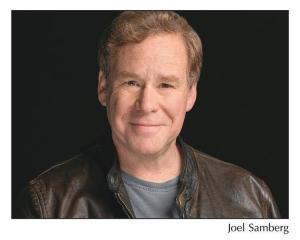
Reviewer Joel Samberg: Joel is an author, book editor, journalist, and corporate communications consultant with more than forty years of experience. He has written for Connecticut Magazine, Pittsburgh Magazine, New Jersey Monthly and dozens of others, and his nonfiction books have been on such topics as music, movies, and comedy. He is also the author of the 2019 novel, Blowin' in the Wind. You can learn more about Joel’s books and book editing service:You can learn more about Joel Here and Here.
View all articles by Joel SambergRecently I came across a book called George, Being George, with recollections by notable people on their encounters with the writer George Plimpton. I’ve never been notable enough to have been asked to contribute, but I do have my own ‘George being George’ story.
Back in the days when there were just seven channels to watch, television specials were a hotly anticipated pleasure for me. I enjoyed the George Plimpton specials that aired every once in a while—the ‘professional amateur’ stunts for which he was famous: George the standup comic, George the trapeze artist, George the football player... I admired his conviction, love of adventure, sense of humor, and singularity of character and style. When I first decided to become a writer, I wondered if I could be a George Plimpton for the Twenty-First century.
In 1986 I was the public relations manager for Olympus, the camera company. I kept the Plimpton dream alive by writing at night, but worked hard during the day to pay the bills and support my growing family. One of my functions was to come up with new ideas for press conferences. I always tried to do something a little newsworthy, like hire celebrities to introduce new cameras. Our newest new camera was designed to make amateur photographers feel like professionals. So the first celebrity I thought of was George Plimpton, the professional amateur. I looked him up in the Manhattan phone book. He was listed. I called. He answered!
To my surprise and delight, Mr. Plimpton agreed to do the press conference. We decided to meet at his apartment on the Upper East Side the following week to go over details. On the day of the meeting, I was nervous and excited. A young assistant ushered me into what looked to be a combination living room and office—perhaps where Mr. Plimpton did much of his writing and editing, maybe even for the Paris Review. I imagined it was the room where he kept important papers and mementos from his endeavors—mementos that were as much a part of my own childhood as they were of his career.
I was told he would be down shortly. Fifteen minutes later he finally appeared. I’m sure my mouth hung open the way mouths do in cartoons when a character sees something bizarre: George was unshaven, dressed in wrinkled clothes, his hair an unforgiving matrix of shapes, his eyes bloodshot. He seemed unfocused and didn’t dive into our conversation as much as wade into it, with what seemed to be uncertainty and regret. My first thought was that he had accepted the assignment too fast, that he really didn’t want to do it, and that in effect he was telling me he wanted out.
But then I had my second revelation: could it simply be that he was hung over?
Right in front of my eyes, a man I had so admired was single handedly derailing my public relations career, which of course I needed as support and backup while I tried to become a writer of the future. How would the press conference turn out? Would George completely misunderstand the technical details of the camera? Would he show up at the wrong hotel? Would I be laughed out of a job?
Would I ever become a writer of the future?
I was so troubled that I forgot to discuss some of the important details of the press conference itinerary, such as whether or not he should bring anything with him. When I left that Upper East Side citadel of words and ideas, I was a bundle of uncertainty and regret.
The day of the press conference arrived. I paced the ballroom floor like an expectant father (which, if memory serves, I actually was at the time). George showed up three minutes before he was scheduled to speak. And when he finally did take the podium, he was dapper and eloquent. He told marvelous stories about the time he boxed with Archie Moore and played goalie for the Boston Bruins. The press conference guests seemed engaged and amused. George was the same confident professional amateur that he had been in those old TV specials, and he concluded by flawlessly describing the professional amateur camera the way it needed to be described. It seemed as if he had been using the camera for months.
Was it a perfect press conference? No. I hadn’t supplied nearly enough slides to our audio-visual technician to show on the screen behind George to accompany his oral presentation. I was upset about that. In fact, a few moments after he left the podium, George overheard me telling my boss how I wanted to shoot myself for not digging up more slides to project on the screen. George turned to me and asked me why I simply hadn’t requested that he bring some of his own slides when I was at his apartment. He said he could have brought along dozens.
Embarrassing, yes. But at least it gave me something good to write about in the future.