- Home
- AUTHOR INTERVIEWS- CHECK THEM OUT
- In Conversation With Elka Ray, Whose Novels Include the Toby Wong Mystery Series, Set Where Elka Grew Up, on Canada's Vancouver Island
In Conversation With Elka Ray, Whose Novels Include the Toby Wong Mystery Series, Set Where Elka Grew Up, on Canada's Vancouver Island
- By Norm Goldman
- Published November 25, 2020
- AUTHOR INTERVIEWS- CHECK THEM OUT

 Norm Goldman
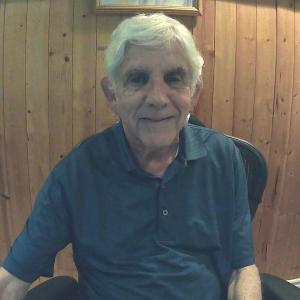
Reviewer & Author Interviewer, Norm Goldman. Norm is the Publisher & Editor of Bookpleasures.com.
He has been reviewing books for the past twenty years after retiring from the legal profession.
To read more about Norm Follow Here

Bookpleasures.com welcomesas our guest Canadian author Elka Ray, whose novels include the Toby Wong mystery series, set where Elka grew up, on Canada's Vancouver Island.
As well as writing
mysteries and suspense for adults, Elka's also written and
illustrated a series of kids' picture books about Vietnam, where she
lives by the beach with her family.

Norm: Good day Elka and thanks for participating in our interview. What do you consider to be your greatest success (or successes) so far in your writing career?
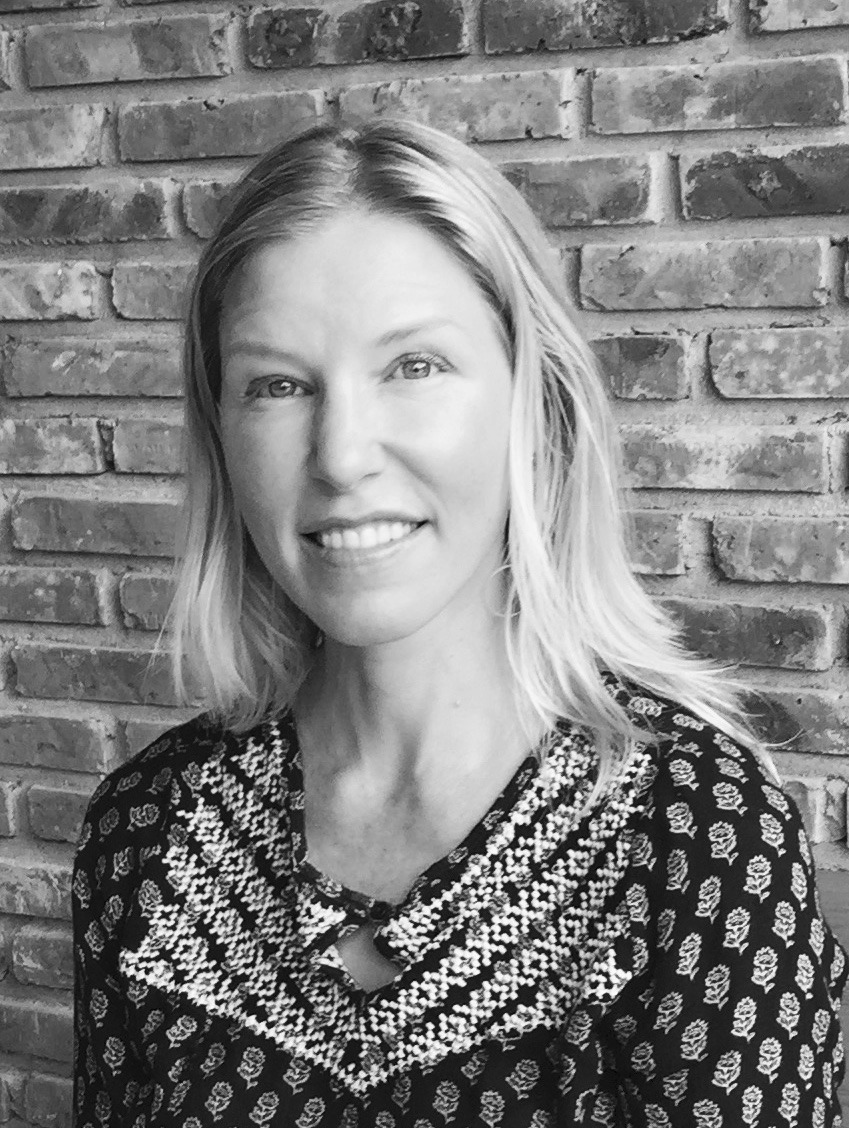
Elka: Thanks for your interest, Norm. I'm always most excited about my next book, which in this case is Killer Coin, the follow-up to last year's Divorce Is Murder.
I'm thrilled the publisher wants a series, which allows me to revisit divorce lawyer Toby Wong and her fortune teller mom, Ivy, plus a setting I love - my childhood home of Vancouver Island.
Norm: What has been your greatest challenge (professionally) that you’ve overcome in getting to where you’re at today?
Elka: Writing involves a lot of time alone, fueled by passion and hope. It's easy to feel discouraged, especially if you live somewhere, like me, where you don't know many other writers. I spent years writing in isolation, without feedback or direction.
While it's still a lonely job, I'm lucky to have found a great team - a wonderful mentor, insightful early readers, a brilliant agent, a smart editor, and all the others who turn a manuscript into a book.
Norm: Does the line between truth and fiction sometimes become blurred for you?
Elka: No. While real moments are the seeds from which stories grow I feel no need to use actual people or events in my fiction. That would feel constricting. Good characters and plots reveal themselves more fully as the story unfolds.
Norm: If you could relive a moment in your life, which moment would you choose and why?
Elka: My first child died as a baby due to medical malpractice. I'd love to be able to go back and make different choices. But life's not like that.
We keep going and do the best we can to make good things come out of bad.
Norm: Why have you been drawn to writing mystery novels? As a follow up, are there aesthetic advantages and disadvantages peculiar to the mystery novel? Does it have a particular form?
Elka: I used to read - and try to write - literary fiction. Sometime after my daughter died I realized that most literary fiction is depressing. I just lacked the emotional stamina to go there. Mysteries might seem dark yet there's always a solution, which restores our faith in life's order. I think that's why readers love them.
There are rules for writing mysteries. It's a game but you need to play fair, giving readers the chance to guess "whodunnit". A group of leading crime writers in the 1930s, including Agatha Christie, issued ten rules, my favorite of which boils down to "no unexpected twins".
Some might see the need to fit your story into this framework as restrictive. Yet rules can always be broken.
Norm: Who are some of your favorite authors that you feel were influential in your work? What impact have they had on your writing? As a follow up, how has your environment/upbringing colored your writing?
I read the full gamut of crime, from more cozy mysteries, like Louise Penny's, to dark stark scandi noir. My Toby Wong series is at the cozier end of this scale. I hope it'll keep you up turning the pages but not keep you up sobbing in despair!
My life and environment influenced my choice of main character - the Chinese Canadian divorce lawyer Toby Wong. My kids are half-Asian. Like many little girls, my daughter dreams of becoming an actress. At least in Hollywood, the roles for women who look like her remain limited. I wanted to create a story led by a strong Canadian woman of Asian descent. Toby's smart, kind, and funny - the sort of person you'd want on your team.
Norm: Please tell us about Killer Coin? What is it all about and what does the title mean?
Elka: At its heart, Killer Coin is about greed. When a rich old matriarch loses physical and mental strength, the vultures - in the form of a dodgy boyfriend and greedy relatives - start circling.
Norm: What served as the primary inspiration for the book?
Elka: My parents are getting older. Friends' parents are getting ill and dying. This forced me to think about aging, and how ill health can make us reliant on others, usually our family. Sadly, not all family members are trustworthy!
Norm: What were your goals and intentions in this book, and how well do you feel you achieved them?
Elka: My goal is always the same: to surprise and entertain people.
Norm: How do you choose the names of your characters in the book?
Elka: I don't know. They seem to name themselves, really.
Norm: Did you write the novel more by logic or intuition, or some combination of the two? Please summarize your writing process.
Elka: It's a mix. Some issue will trouble me and a character will form - in this case Daphne Dane, a wealthy old woman who's started losing her memory. I'll map out a plot skeleton and work out which scenes are necessary. While I always have a killer in mind at the start, I'm invariably wrong. This way, I get to discover who did it as I'm writing.
Norm: Which character in the book was the easiest to write? Most difficult?
Elka: The great thing about a series is that you know the main characters very well. You just sort of turn them loose and let them at it. Toby's tarot card reader mom, Ivy, is my favorite. She's quirky but warm and funny. The Dane family took more work because they're new to this book.
Norm: Where can our readers find out more about you and Killer Coin?
Elka: I have a WEBSITE and I am occasionally on Twitter and Facebook. By far my favorite social media is Instagram, where I've found a great clan of creative people - writers, artists, bloggers, and readers, who recommend great books. If you want to talk books - especially crime fiction - look me up at INSTAGRAM
Norm: What projects are you working on at the present?
Elka: I'm slogging away at a darker psychological suspense manuscript about a woman who moves to the countryside in search of peace and quiet only to find anything but...
Norm: As this interview comes to an end, what advice can you give aspiring writers that you wished you had received, or that you wished you would have listened to?
Elka: Read your manuscript out loud. If you can't speak the words comfortably, the flow needs fixing. This is especially important with dialogue. You'll hear the parts that sound stilted.
Norm: Thanks once again and good luck with all of your future endeavors.
Elka: Thanks for your time and interest!