- Home
- AUTHOR INTERVIEWS- CHECK THEM OUT
- In Conversation With Author, Poet, and Screenwriter, Barry Gifford
In Conversation With Author, Poet, and Screenwriter, Barry Gifford
- By Norm Goldman
- Published August 24, 2020
- AUTHOR INTERVIEWS- CHECK THEM OUT

 Norm Goldman

Reviewer & Author Interviewer, Norm Goldman. Norm is the Publisher & Editor of Bookpleasures.com.
He has been reviewing books for the past twenty years after retiring from the legal profession.
To read more about Norm Follow Here

Bookpleasures.com welcomesas our guest author, poet, and screenwriter, Barry Gifford. Barry's work includes the novel Wild at Heart, which was adapted by David Lynch into a Palme d’Or-winning film, and Sailor and Lula.
He has authored dozens of other screenplays, novels and books of poetry and essays.
He has recently published Roy's World: Stories 1973-2020, a collection of Barry's most acclaimed short stories that show America from a different vantage point, a certain mix of innocence and worldliness.

Reminiscent of Mark Twain's Huckleberry Finn and Ernest Hemingway's Nick Adams stories, Gifford's "Roy stories" amount to the coming-of-age novel he never wrote, and are one of his most important literary achievements—time-pieces that preserve the lost worlds of 1950s Chicago and the American South, the landscape of postwar America seen through the lens of a boy's steady gaze.
The book is a tie-in to the new documentary, Roy's World, directed by Rob Christopher narrated by Lili Taylor, Matt Dillon and Willem Dafoe.
Norm: Good day Barry and thanks for participating in our interview.
How did you get started in writing? What keeps you going?
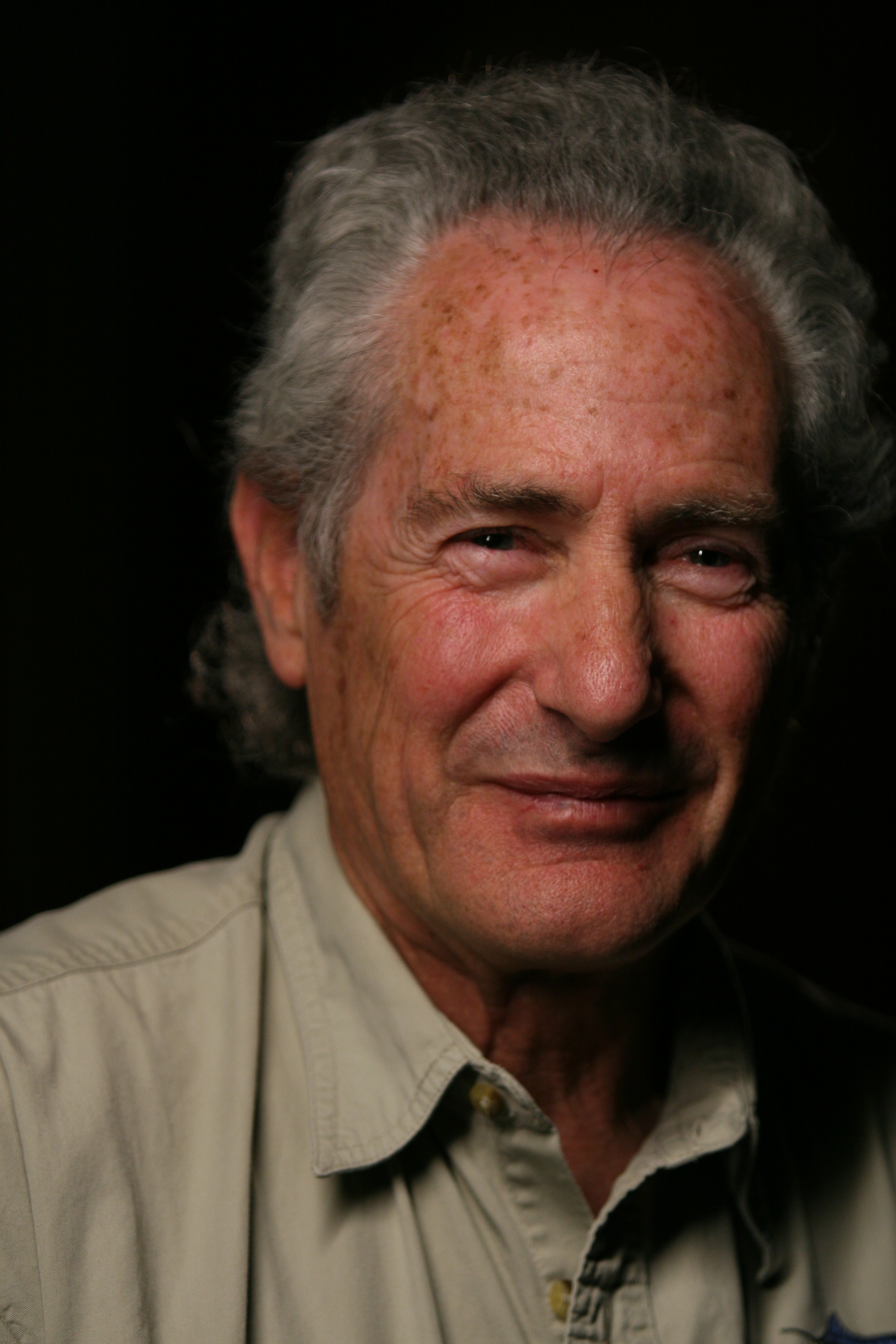
Barry: . I began writing stories when I was 11 yrs old. Doing the same now.
Norm: What do you consider to be your greatest success (or successes) so far in your career?
Barry: My greatest success has been staying alive + getting my work done. Commercially speaking, some of my books+movies have done well, others less well. The point is to maintain a readership. André Gide said a writer should expect with each new book to lose half of his/her audience, but gain a new 50%.
Barry: I’ve been fortunate to have individuals throughout my life who have made suggestions as to whom I should be reading. I’m basically self-educated, erratic early schooling, only 1 yr of college. Always sought out people I think have something to teach me, still do.
Norm: What would you like to accomplish as an author that you have not?
Barry: Yet to accomplish? Not applicable. Keep it a mystery.
Norm: What did you find most useful in learning to write? What was least useful or most destructive?
Barry: Useful/Not useful: Fiercely protective of my time.
Norm: What helps you focus when you write and do you find it easy reading back your own work?
Barry: Focus:Ability to concentrate is most important—live in the work.
Norm: What do you see as the influences on your writing?
Barry: Too many to enumerate. Began by emulating Conrad,London, Melville, but women such as Willa Cather, Jean Rhys, Jane Bowles, Lady Murasaki+Sei Shonagon became more important.
Norm: Do you write more by logic or intuition, or some combination of the two? Please summarize your writing process.
Barry: Writing process: Don’t force it. If I don’t feel like writing I go to the racetrack or play music with my granddaughters.
Norm: What do you want your work to do? Amuse people? Provoke thinking?
Barry: .Amuse or provoke? BOTH
Norm: Could you tell us about Roy's World: Stories 1973-2020 and the tie-in documentary Roy's World?
Barry: Roy’s World won’t end until I do. The documentary film of same title is amazingly accurate re sensibility + responsibility to the work+life:”I believe in individuals,” said Chekhov. I’m with him.
Norm: Where can our readers find out more about you and Roy's World: Stories 1973-2020 and the tie-in documentary Roy's World?
Barry: My Website
Norm: What is next for Barry Gifford?
Barry: .What’s next? You tell me. I prefer not knowing, that way I can surprise myself.
Norm: Thanks once again and good luck with all of your future endeavors