- Home
- AUTHOR INTERVIEWS- CHECK THEM OUT
- In Conversation With television Comedy Writer, Producer, and Author of Elevating Overman, Cascade Falls, and The Way We Work: On The Job In Hollywood, Bruce Ferber
In Conversation With television Comedy Writer, Producer, and Author of Elevating Overman, Cascade Falls, and The Way We Work: On The Job In Hollywood, Bruce Ferber
- By Norm Goldman
- Published August 21, 2019
- AUTHOR INTERVIEWS- CHECK THEM OUT

 Norm Goldman

Reviewer & Author Interviewer, Norm Goldman. Norm is the Publisher & Editor of Bookpleasures.com.
He has been reviewing books for the past twenty years after retiring from the legal profession.
To read more about Norm Follow Here

Bookpleasures.com welcomesas our guest, television comedy writer, producer, and author of Elevating Overman and Cascade Falls, Bruce Ferber. He is also the editor of the anthology, The Way We Work: On The Job In Hollywood.
Bruce is an Emmy-nominated comedy writer and producer whose credits include Bosom Buddies, Growing Pains, Sabrina The Teenage Witch, Coach, Dan Vs., and Home Improvement, where he served as executive producer and show runner. In addition to being recognized by the television academy, his work has received The People's Choice, Kid's Choice, and Environmental Media Awards.

Norm; Good day Bruce and thanks for participating in our interview.
What do you think is
the future of reading/writing?
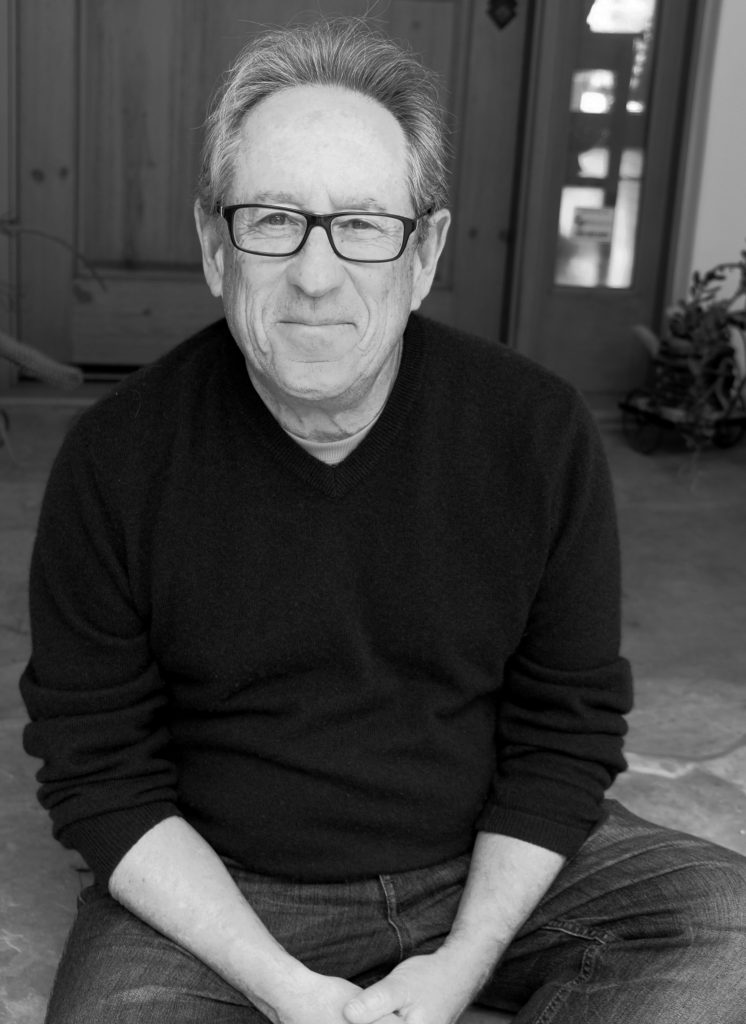
Bruce: The future of reading depends on how well we can instill the importance of shutting out the noise. The constant drone of social media, cable news, and endless viewing choices on television and phones, threaten not only literature, but also the mental health of our society. The future of writing depends, of course, on whether people continue to read, and recognize that a good story is comprised of more than a two-minute video bite on Facebook. One of the hopeful signs I see is a resurgence of young people responding to, and participating in, live shows -- theater, comedy, music. The noise has driven many of them to search for closer, more authentic connections. These are good portals to reading, writing, and comprehending the value of both.
Norm: How many times in your career have you experienced rejection? How did they shape you?
Bruce: How much time do you have? Rejection is a big part of this business, so you learn to deal with the pain. At first you take it personally, but then you remember the William Goldman line "nobody knows anything." This is 100% true in terms of taste, and knowing what will sell. Once we understand that, we realize that these rejections don't make us bad writers, which then allows us to critique our own work and get better at what we do.
Norm: How and why did you become a television comedy writer and what do you consider your first "break" as a comedy writer? As a follow up, could you tell us about people or books you have read that have inspired you to embark on your own career as a comedy writer?
Bruce: I became a television comedy writer because it was an easier, faster route to becoming a working professional than breaking into features. I'd gone to NYU Film School and always saw myself writing movies, not sitcoms. But half-hour television was where I had some connections, so I pursued them, and things worked out. My first break was on the TV show Bosom Buddies with Tom Hanks and Peter Scolari. A friend of mine was working on the show, read my spec M*A*S*H script, and took a chance on me. As far as inspiration, my favorite TV comedy was All In the Family. Coming from New York, I found the Bunkers to be totally real characters, and I loved the way the show could dig into social issues and still be outrageously funny. I also loved reading the early Woody Allen short stories, and SJ Perelman. And I loved Monty Python.
Norm: In your opinion, what is the most difficult part of writing comedy?
Bruce: Trying to do something you haven't seen a million times before. Since there are only a limited number of plot lines, the key is character. If you come up with characters who are multi-dimensional and relatable, the audience will want to watch no matter how obnoxious they are. (Ricky Gervais and Steve Carell in the two incarnations of The Office.) You also don't want to fall into cranking out familiar-sounding jokes or joke patterns. Hackdom is never more exposed than it is on TV sitcoms.
Norm: If you could change just one thing about the television industry with the wave of a magic wand, what would it be?
Bruce: Put the writers back in charge. It used to be that way, pre-Roseanne and Cosby. Now there are way too many layers of well-compensated people who don't do the work.
Norm: What are television comedy writers greatest challenges today?
Bruce: Getting a job and sustaining a living. There are a thousand outlets now, but 900 of them don't have decent budgets. With short order series and studios and networks paying less than they did twenty years ago, it's become tougher and tougher. Apart from financial considerations, it's a challenge for comedy writers to operate within the bounds political correctness. As our society becomes more sensitive to social injustice, there are more boundaries put on what is deemed "acceptable" comedy. This becomes very tricky for people in the humor business where everything (not always positively) used to be fair game.
Norm: How does it happen that someone who is a television comedy writer comes to write fiction with your two novels, Elevating Overman and Cascade Falls?
Bruce: There were two determining factors. One was that by the time I finished running Home Improvement, everybody was looking to do clones of Friends (there must have been a hundred of them). Having come from doing family shows, nobody was interested in me doing them, and I wasn't interested in writing an ensemble comedy about single people. The other factor was that my wife had been diagnosed with breast cancer, and I needed to take a break from writing to care for her and my kids. Then, after she passed away, I wanted to write again, but had no desire to do sitcoms. Somebody asked if I'd ever considered writing a novel, I thought she was crazy, then one day I started and just kept going. It was a transformational experience that led to the most rewarding writing I've ever done.
Norm: Why did you want to put together the anthology The Way We Work: On The Job In Hollywood? Did you put together the anthology to express something you believe or was it just for entertainment?
Bruce: Frankly, I was getting sick of being in a room with nothing but fictional characters, and myself for company. I had written an essay for a book called Los Angeles in the 1970's that was all about my coming to Hollywood in 1975. It was more about what the city was like back then, as opposed to a Hollywood story, but Hollywood was why I'd come out here, and played a big part in my essay. That mini-memoir gave me the idea to collect more of them -- from people who worked in all facets of the industry. I thought it could be both entertaining and informative for those seeking a career in the entertainment business.
Norm: Could you briefly tell our audience about the anthology?
Bruce: The Way We Work offers up an overview of the skill sets and the insanity that make movies and television tick. Essays by award-winning writers, directors, and producers chronicle the process and the obstacles facing those at the top of the creative food chain. Oral histories from executives to “below-the-line” workers describe life in the trenches, which often present as Stud's Terkel's Working―on acid. Thanks to my wonderful contributors, it's a fast-moving and entertaining read, full of stories that capture the essence of what we do.
Norm: What do you hope will be the everlasting thoughts for readers who finish your book?
Bruce: The path to success can be bumpy, but there are many different routes. These contributors fought hard for their achievements, but as difficult as the business can be, the opportunity to make a living being creative is an unparalleled blessing.
Norm: Did you have any difficulty in interesting your contributors in participating in your project? How did you approach them on your idea?
Bruce: It's an interesting question, because you definitely do have to talk people into the value of the project, and why they should take the time to be a part of it. The big selling point was that it presented the chance for them to tell their stories, an opportunity most of us don't get. I honestly think that a lot of the people I corralled never really imagined the book would be finished, published and out in the stores, because so many grand ideas never come to fruition. So, it was extra special for the contributors when they saw the final product.
Norm: What did you enjoy most about creating the anthology?
Bruce: The chance to hear other people's stories was a revelation. I know a lot of people who've written their own Hollywood memoirs, but it was an honor for me to share mine.
Norm: What was one of the most surprising things you learned in creating the anthology?
Bruce: That two people fell in love while castrating pigs in an animal husbandry class, which led to them getting married, and starting an animal training business for movies and television.
Norm: Where can our readers find out more about you and your most recent tome, The Way We Work: On The Job In Hollywood?
Bruce:
Norm: What is next for Bruce Ferber?
Bruce; A new novel, of course!
Norm: As this interview comes to an end, what question do you wish that someone would ask about your books, but nobody has?
Bruce: "Would you be okay with us giving you the Pulitzer Prize in the same year you've already received the National Book Award and the Man Booker?"
Norm: Thanks once again and good luck with all of your future endeavors.