
- Home
- AUTHOR INTERVIEWS- CHECK THEM OUT
- In Conversation With Dr. John DeGarmo who is the author of several books including Keeping Foster Children Safe Online, and Helping Foster Children in School, and The Little Book of Foster Care Wisdom: 365 Days of Inspiration and Encouragement for Foster
In Conversation With Dr. John DeGarmo who is the author of several books including Keeping Foster Children Safe Online, and Helping Foster Children in School, and The Little Book of Foster Care Wisdom: 365 Days of Inspiration and Encouragement for Foster
- By Norm Goldman
- Published August 9, 2019
- AUTHOR INTERVIEWS- CHECK THEM OUT

 Norm Goldman

Reviewer & Author Interviewer, Norm Goldman. Norm is the Publisher & Editor of Bookpleasures.com.
He has been reviewing books for the past twenty years after retiring from the legal profession.
To read more about Norm Follow Here
Bookpleasures.com welcomes as our guest today, Dr. John DeGarmo who is the author of several books including Keeping Foster Children Safe Online, and Helping Foster Children in School, and The Little Book of Foster Care Wisdom: 365 Days of Inspiration and Encouragement for Foster Care Families.
Dr. DeGarmo received his B.A. in History, a Masters in Media Technology, a Masters in Educational Leadership, and a Doctorate in Educational Leadership from Walden University. He wrote his dissertation on Responding to the Needs of Foster Children Face While in Rural Schools.
Dr. DeGarmo is an international expert in foster care and parenting, a TEDx Talk presenter, and a director of The Foster Care Institute. He conducts seminars across the world on foster care, child sex trafficking, adoption, and child welfare related issues.
As a parent, himself (biological, adoptive, foster), he has had over 60 children come live with him and his family.
Incidentally, he has also worked in professional wrestling for a few years, traveled the world performing in the international super group Up With People and is married to an Australian,
Good day Dr. DeGarmo and thanks for participating in our interview.
Norm: What do you consider to be your greatest success (or successes) so far in your various careers?
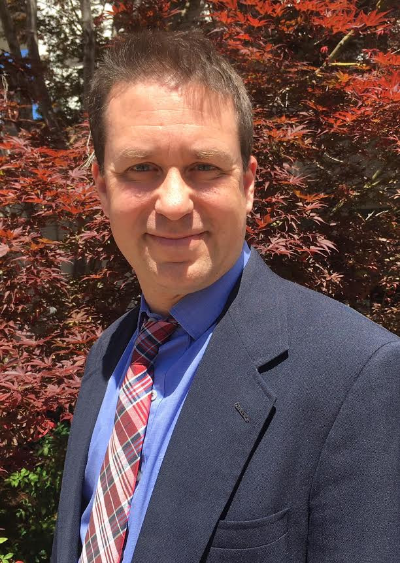
Dr. DeGarmo:Thanks for asking. Perhaps the greatest success has been the opportunity to be a father figure and a parental figure to over 60 children from the foster care system. It has been so very rewarding, and each child has made me a better person in some way.
In regards to career, the opportunity to speak across the nation and globe on issues of parenting, foster care, adoption, and child welfare issues. To be sure, the TEDx Talk was a highlight, and of course being honored with several awards, including the Good Morning America Ultimate Hero Award. There are so many successes.
Norm: I understand you are an international expert in foster care and parenting. What exactly does that mean?
Dr. DeGarmo: I travel the nation and globe not only teaching others about foster parenting and parenting in general, I also work hard to bring awareness to the many issues that children in crisis face in every community here in the United States and abroad.
Norm: You have written several books on foster care. What were your goals and intentions in these books, and how well do you feel you achieved them?
Dr. DeGarmo: Well, initially I set out to write one book, Fostering Love: One Foster Parent's Journey, that would help to shine the light on what being a foster parent is truly about. Not sugar coat it, but tell it like it is, with both the joys and heartbreaks, the laughter and disappointments.
One book led to nine others, and perhaps more...who knows! When I was doing my research about foster care for my doctoral, I realized that there were not many books about foster care and foster parenting. Each book has been my attempt at adding to this list of resources.
Norm: You are a Director of The Foster Care Institute? What is this all about?
Dr. DeGarmo: The Foster Care Institute serves as a place where people can find many resources about foster parenting, adoption, and child welfare. Videos, articles, webinars, resources; it is a wealth of information for those seeking more knowledge.
Norm: How long ago was it that you and your wife received your first foster care child? Could you briefly describe your experience?
Dr. DeGarmo We had our first two children placed into our home in 2003, I believe. It has been quite a while. The two were siblings, 4 years old and 6 months old. Despite all of our training, we quickly realized that we were not prepared for it, as it was challenging on so many levels. I was not prepared for my heart to hurt and ache so much when the children left our home, as we had come to love them dearly.
Norm: What is the most difficult part of foster care and how do you deal with it?
Dr. DeGarmo: Well, the heartbreak part. So many people tell me that they couldn't be foster parents, as it would hurt too much to give the children back, so to speak, and when they transition out of the foster home. That is how it is supposed to be. Children in foster care need support, stability, but most importantly, they need unconditional love-someone to love them with all of their heart. When the children leave our homes, it is like losing a member of our family, and foster parents do suffer from feelings of grief and loss due to broken hearts. It is hard, and each of us deals with that differently.
Norm: What has been the most enjoyable and life giving part of being a foster parent?
Dr. DeGarmo: So many ways! Watching a child learn how to laugh and to smile after months and years of abuse. Watching a child learn how to trust someone. Seeing some children go on to college and succeed. Having two "grandchildren" from one of our older daughters from foster care.
Norm: What advice would you give to individuals considering fostering?
Dr. DeGarmo: One does not need to have a lot of money, a big house, or even be married to be a foster parent. One really just needs to have a heart to help children in crisis where they live. My advice would be to look into foster parenting in your area and find some type of support system before beginning the journey.
Norm: What impact do you hope to leave on the children that you foster?
Dr. DeGarmo: That for a period in their life, someone loved them with all that they have, and that they will always have a family that loves them.
Norm: How do you feel about the Foster Care system in the USA? Does it need improvement and what suggestions do you have to improve the system?
Dr. DeGarmo Oh, it very much needs improvement. The system is in crisis. There are more children flooding into foster care due much in part to the Opioid epidemic in our nation, and not enough foster parents. Case workers and agencies are overwhelmed and under resourced. More focus needs to be placed upon the foster parents, and give them the support they need as they care for children with trauma and anxiety. Case workers need to have more resources and have their case loads lightened, in some ways, so that they have time to actually work with the children and families, instead of all the paperwork that can be so very time consuming.
Norm: Where can our readers find out more about you and your books?
Dr. DeGarmo Thanks for asking. Simply visit The Foster Care Institute, which can be found online, or find me on Facebook, Twitter, and other social media sites at Dr. John DeGarmo
Norm: Thanks once again and good luck with all of your endeavors
Follow Here to Watch Dr. DeGarmo's TEXx Talk on Foster Care