- Home
- AUTHOR INTERVIEWS- CHECK THEM OUT
- Unlock AI Mysteries in Irene Field’s Pixel & the Pattern Machine for Curious Kids
Unlock AI Mysteries in Irene Field’s Pixel & the Pattern Machine for Curious Kids
- By Norm Goldman
- Published April 26, 2026
- AUTHOR INTERVIEWS- CHECK THEM OUT

 Norm Goldman

Reviewer & Author Interviewer, Norm Goldman. Norm is the Publisher & Editor of Bookpleasures.com.
He has been reviewing books for the past twenty years after retiring from the legal profession.
To read more about Norm Follow Here
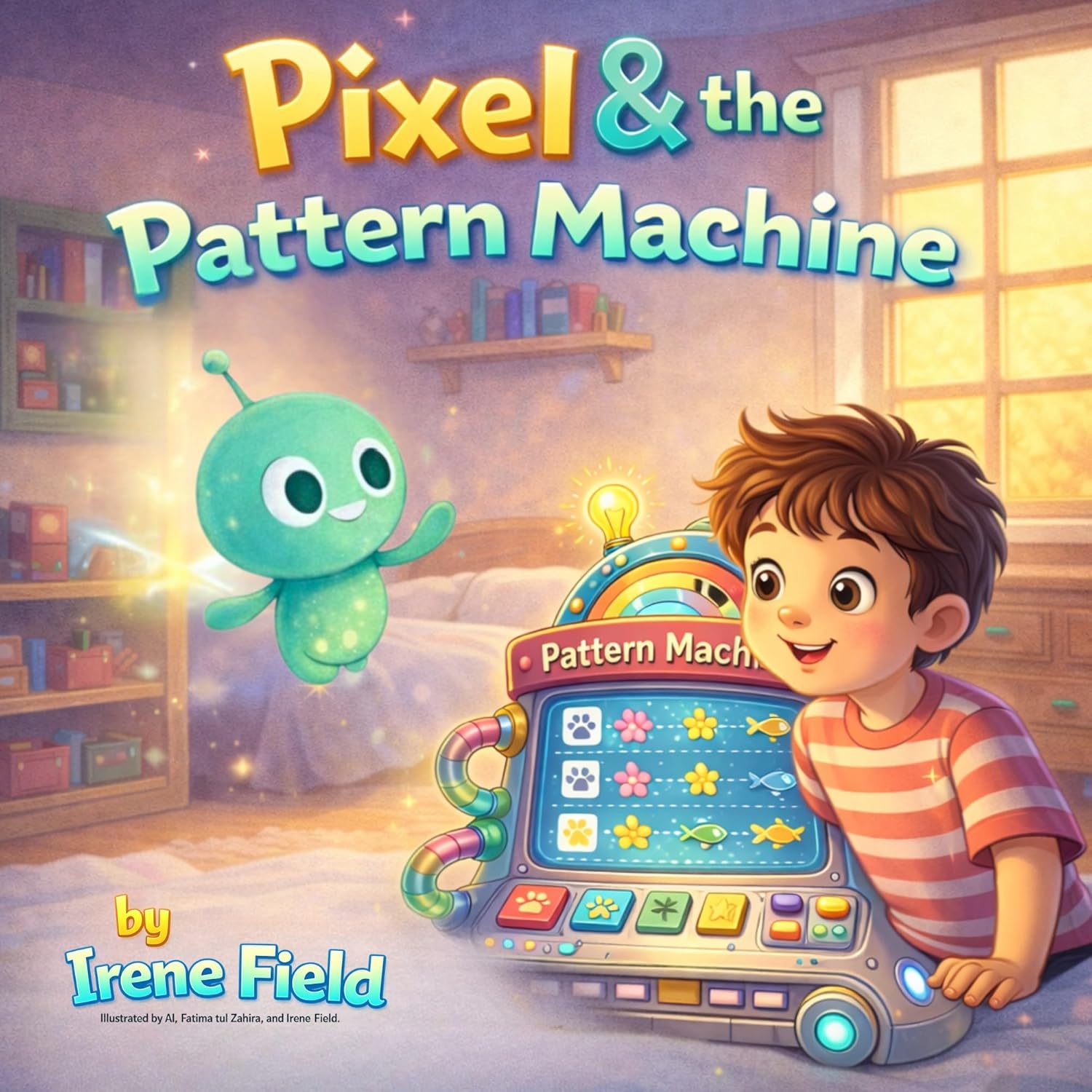
Bookpleasures.com is excited to welcome Irene Field as our guest, author of the enchanting children’s book Pixel & the Pattern Machine, which demystifies AI through patterns and curiosity for young minds.
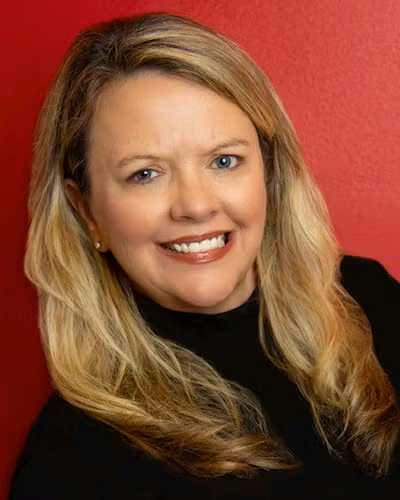
With her 26 years in marketing, PR, and communication—plus a master’s from Florida State University—Irene is on a mission to make technology feel human and accessible. Irene, thank you for joining us!
Norm: When writing Pixel & the Pattern Machine, what age range did you target, and what factors influenced your decision?
Were concepts like “learning” and “thinking” better grasped by ages 4–6 or 7–9?
Irene: I wrote Pixel & the Pattern Machine with ages 5-9 in mind, a stage where curiosity is constant and foundational thinking skills are forming. It’s an ideal window to introduce big ideas in a way that feels natural and engaging.
Rather than narrowing it too tightly, I designed the book to stretch across that range. Younger children connect through the story and visuals, while older readers begin to grasp the underlying concept—that machines don’t “think,” they recognize patterns. The intention was to introduce the idea early so that it could grow with them.
Norm: Did brevity limit technical nuance, or did you intend to spark parent-child dialogue?
How would you engage older readers wanting a deeper dive into patterns?
Irene: Brevity was intentional. My goal wasn’t to fully explain artificial intelligence, but to create an entry point into it. Simplicity invites curiosity—and more importantly, conversation.
For older readers, the book becomes a starting place. I encourage adults to extend the experience by asking questions like, “Why do you think Pixel made that mistake?” or “Where else do we see patterns?” That shift—from reading to inquiry—is where deeper understanding begins and engages older readers.
Norm: Why did you credit AI as a co-illustrator in an educational book?
Did you face resistance about listing AI as a creator, and how might transparency affect young readers’ views?
Irene: Crediting AI as a co-illustrator was a conscious decision rooted in transparency. and building trust. The book itself is about how AI works, so it felt important to reflect that honestly in its creation.
There can be hesitation around acknowledging AI in creative spaces, but I believe transparency builds trust. It also opens the door for meaningful conversations with children about how technology is used—and the role humans play in guiding it.
Norm: Did Fatima tul Zahira change her style, or was the AI prompted to match hers?
How do you discuss ethical considerations with readers regarding human artists’ roles when AI is credited as co-creator?
Irene: The process was collaborative. Fatima’s artistic direction established the visual tone, and the AI was guided to work within that framework. It wasn’t about replacing the artist—it was about extending the creative process.
When discussing this with young readers, I keep the focus on authorship and intention: people are still the ones making decisions, shaping outcomes, and giving meaning to what’s created with AI being used as a resource.
Norm: Your author bio highlights a Master’s in Communication. How did this shape the book’s visual layout, especially balancing text and illustration for readability?
Were there any communication theories you used to make “pattern recognition” easy to understand for early readers?
Irene: My background in communication played a significant role in how the book was structured. I was very intentional about clarity, pacing, and visual balance—ensuring that each page communicates a single idea effectively.
I drew in part on principles like dual coding, where children learn best when information is both seen and heard. That’s why the visuals do as much work as the words. I also considered cognitive load—keeping language concise so young readers aren’t overwhelmed.
Ultimately, the goal was to make pattern recognition something children can see and experience, not just be told about.
Norm: How did you choose visual errors to ensure they were recognisable as glitches to children?
Did you use AI images to find these errors, or were they manually crafted?
Irene: The errors were designed to be recognizable. Children are naturally observant, so the goal was to engage that instinct.
While some ideas were inspired by how AI actually makes mistakes, the original idea was created by myself and intentionally refined to ensure clarity. The experience is meant to feel like discovery, not confusion.
Norm: Page 21 has an interactive activity asking, "Find 3 things Pixel got wrong in this drawing." What is your teaching goal for using this visual puzzle?
How do you suggest parents or teachers facilitate this page so the conversation moves from just spotting mistakes to asking why the errors happened?
Irene: That page is designed to shift the child from passive reading to active thinking. It encourages observation first, but the real value comes in what follows.
I always suggest that adults ask, “Why do you think Pixel got that wrong?” That question moves the child beyond spotting errors into understanding them—introducing the idea that Pixel is learning from patterns, not thinking like a human.
Norm; Pixel is shown as “glowing like a firefly” (page 6). What motivated your choice of a bio-luminescent, organic look for a machine character versus a metallic or robotic style?
Does this design connect to your intent for the book that technology should feel warm and collaborative, instead of cold and industrial?
Irene: Pixel is one of my favorite parts of the book. I wanted Pixel to feel approachable and curious, rather than mechanical. The firefly-like glow gives the character a sense of life and wonder, which resonates more naturally with children.
It also reflects the broader message of the book—that technology doesn’t have to feel cold or distant. It can feel collaborative, something we engage with and shape.
Norm: Page 20 says, “Artificial intelligence doesn’t think like a human.” Did you consider any other visual metaphors before settling on the “Pattern Machine” to express this?
How would you illustrate the difference between “thinking” and “processing patterns” to a child unfamiliar with computer science?
Irene: The “Pattern Machine” metaphor simplifies a complex idea into something visual and intuitive. It gives children a way to see what’s happening, rather than trying to grasp an abstract concept.
I often describe it as the difference between understanding and matching. Humans understand meaning, while machines look for repetition. That distinction is subtle, but important—and the metaphor helps make it accessible.
Norm: Why did you use everyday mysteries—like missing socks and drawing cats—to explain AI glitches and learning to young readers?
Irene. Because they’re familiar. Children already understand those experiences, which makes them the perfect bridge to something new.
When you connect a complex idea to everyday life, it becomes less intimidating and more intuitive. It allows children to engage with the concept in a way that feels natural.
Norm: Where can readers go to learn more about you and Pixel & the Pattern Machine?
Irene: Readers can connect with me through my social platform, #Irene Field Author, where I share updates and additional resources for parents and educators. My goal is to continue the conversation beyond the book and provide tools that help bring these ideas to life.
Norm: The back cover mentions inspiring “Pattern Detectives.” Is there a visual branding or iconography for this identity that you plan to expand?
Could future books feature a visual badge or tool to help readers identify patterns in their own lives?
Irene: “Pattern Detectives” is something I’m excited to expand. It gives children an identity they can step into—one where they actively look for patterns in the world around them.
Looking ahead, I see opportunities for a series with badges, tools, and companion materials that encourage children to practice this way of thinking in everyday life. The goal is to make learning interactive and ongoing.
Norm: Thanks once agan and good luck with all of your future endeavors