
Reviewer Ekta Garg: Ekta has actively written and edited since 2005 for publications like: The Portland Physician Scribe; the Portland Home Builders Association home show magazines; ABCDlady; and The Bollywood Ticket. With an MSJ in magazine publishing from Northwestern University Ekta also maintains The Write Edge- a professional blog for her writing. In addition to her writing and editing, Ekta maintains her position as a “domestic engineer”—housewife—and enjoys being a mother to two beautiful kids.
Author: Elizbeth Arnott
Publisher: Berkley
ISBN: 9780593952993
Author: Elizbeth Arnott
Publisher: Berkley
ISBN: 9780593952993
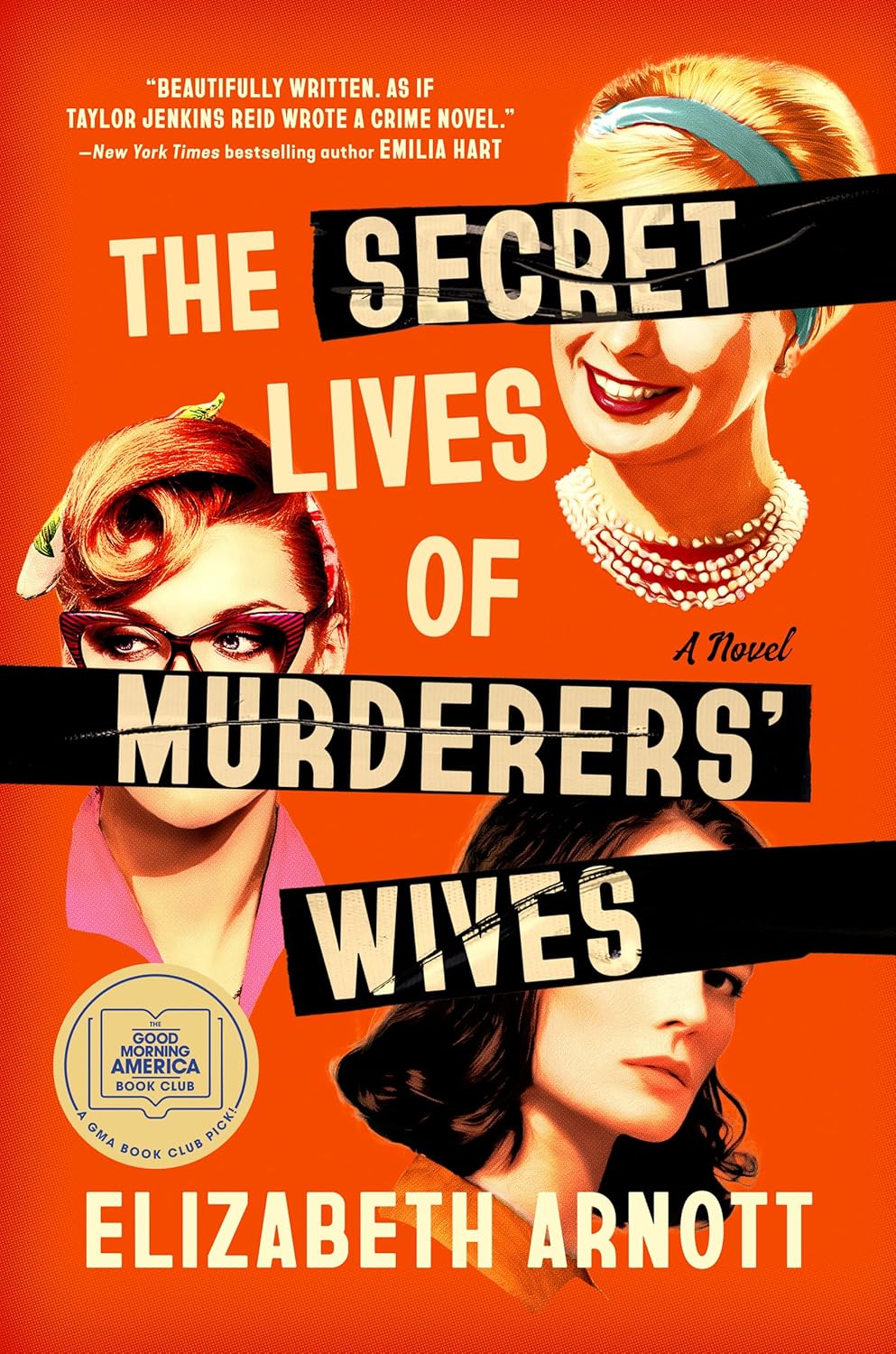
In the Los Angeles suburbs of 1966, Beverly, Margot, and Elsie have formed a friendship under bizarre circumstances: all three are the ex-wives of serial killers. Fortunately for society, the husbands were all caught and convicted. Unfortunately for the women, they’re bearing the brunt of their husbands’ crimes. Neighbors give them the evil eye. Beverly’s children deal with mean kids on the playground. And all three women have questions, particularly how they could have missed signs of the monsters living in their own homes.
Still, they have to go on living. Beverly spends her days scrapbooking articles about her husband’s crimes as well as those of Margot and Elsie’s husbands. She knows it’s a strange hobby, but putting everything in order helps her maintain some semblance of control.
As a politician’s wife, Margot continues to party hard. She goes to all of the biggest parties, mingling with celebrities and drinking away the memories. The whole time her husband was gladhanding people and staying out late, Margot thought he was just having an affair. Oh, how she wishes now her troubles were as simple as that.
British transplant Elsie makes coffee and answers the phone at the newspaper where she works, even as she wishes to be a real working reporter. Her modest income takes care of her, but she has more to give. In the age of mostly all-male newsrooms, however, Elsie knows it’ll take more than repeated requests to make her editor give her a chance.
Their personal lives were splashed in all the papers, including the one where Elsie works, but the three women still hold their heads high. Their husbands did their damage. The women are not going to spend their lives lamenting the cracks and scars.
The seams on both start to come undone in the height of the summer when a young woman is murdered in an especially gruesome way. Soon more murders follow, and the police fumble for answers. As the friends begin discussing the crimes, they realize they may be able to help with the investigations.
Except no one wants to listen to them. The police don’t want civilians, especially women, interfering. No matter that Margot, Elsie, and Beverly have firsthand knowledge of how serial killers function in their daily lives.
Determined to make sense of the situation, even if no one asked them to, the three friends begin their own investigation. They use their insights with their husbands as well as their common sense, their instincts, and the few contacts they have to find out what’s happening. They don’t care if no one will listen to them. The women will make themselves heard one way or the other.
Author Elizabeth Arnott’s careful detailing of Los Angeles in the 1960s shows in the various artifacts mentioned of the era, such as publications and appliances. At times, however, the research feels a little too obviously placed, as if to remind readers that the book is set 60 years in the past. Arnott’s prose is likable enough, so some readers may feel a little frustrated that she chooses to go by the route of more “telling” rather than “showing” the plot and story through the scenes at hand.
The same issue arises in the three main characters themselves. Despite book and marketing descriptions giving all three women equal billing, there’s little doubt that Beverly is the main character of this story. She gets the most amount of time on the page, which means Margot and Elsie’s stories rely more on flashbacks and broad-strokes narration rather than scene-to-scene development.
Still, the premise of three women formerly married to criminals who must work together to solve a similar crime is intriguing enough to draw readers in and keep them, mostly, engaged. Although various plot twists may feel like they get equal weight as they’re unfolded, making it harder to discern which one is really important, Arnott builds a book with a fair amount of suspense. Those who enjoy domestic thrillers set in the past may want to check this one out. I recommend readers Borrow The Secret Lives of Murderers’ Wives by Elizabeth Arnott.